You start in March. Full of energy. Buy new shoes.
Download a fitness app. Tell everyone you’re “getting serious this time.”
Then April hits. You skip two days. Then three.
By May? The shoes are collecting dust.
I’ve seen this exact pattern hundreds of times. Not in textbooks. In exam rooms.
With real people who want to feel better (not) look like a magazine cover.
This isn’t about fads. No juice cleanses. No 5 a.m. boot camps that burn you out in a week.
These are Shmghealth Fitness Hacks From Springhillmedgroup (tips) I use with patients every day.
They’re grounded in what actually works long-term. Not what trends on social media.
You don’t need a gym. You don’t need hours. You don’t need perfection.
Just small, repeatable moves that stick.
I’ve watched people build habits that last years. Not months. Because they were built around their life.
Not someone else’s idea of discipline.
If you’re tired of starting over…
If you want something safe, simple, and sustainable…
This is it.
No hype. No fluff. Just clear, doctor-informed steps.
You’ll walk away knowing exactly what to do. And why it works.
Start Where You Are: No Scorecards, No Shame
I don’t ask you to “get ready” before you begin. You’re already here. That’s enough.
Grab a notebook or open your Notes app. Right now. Ask yourself four things:
How’s your energy before noon?
Do your knees or hips complain during daily stuff (like) standing in line or getting off the couch? What does your movement look like on a normal Tuesday? (Not the ideal one.
The real one.)
And how’s your sleep (not) how many hours, but how rested you feel when you wake up?
Here’s a 3-question checklist I use with people every week:
Can you walk 20 minutes without stopping? Do stairs feel harder than last month? Can you get up from a chair without using your hands?
If you answered “no” to two or more. That’s fine. That’s data.
Not failure.
But if you felt dizziness, chest pressure, or sharp joint pain during any of those (stop.) Call your doctor. Don’t wait. Those aren’t signals to push harder.
They’re red flags.
Your first week? Two 10-minute walks. One mobility routine. Shmghealth has a solid 7-minute version.
Consistency beats intensity. Always.
Miss a day? Just do the next one. No makeup sessions.
No guilt.
Shmghealth Fitness Hacks From Springhillmedgroup works because it starts exactly where you are. Not where someone thinks you should be.
Walk. Breathe. Move gently.
Move Smarter, Not Harder: Integrating Movement Into Daily Life
I used to think “exercise” meant sweating for 45 minutes. Then I watched people with desk jobs crash after lunch (every) day.
That’s when I learned about NEAT.
It’s not fancy. It’s just movement that isn’t formal exercise. Standing while taking calls.
Walking to the farthest parking spot. Swapping one Zoom meeting for a walking call.
You don’t need gear. You don’t need time.
Here’s a 5-minute desk-to-floor sequence I use myself:
Neck rolls (slow,) no bouncing. Seated spinal twist (keep) your hips square. Ankle circles (both) directions, even if they creak.
Do it twice a day. That’s it.
Why does this work better than one long workout for beginners? Because short bursts raise heart rate and lower blood sugar faster. They improve insulin sensitivity without triggering burnout.
A teacher I worked with added 1,200 steps daily. Just by pacing the hallway between classes. No gym.
No schedule change.
She dropped her afternoon fatigue. Her glucose readings smoothed out.
Long workouts are great. If you’re consistent. Most people aren’t.
Short movements stick. They build habit. They rewire your day.
That’s what real fitness looks like now.
The Shmghealth Fitness Hacks From Springhillmedgroup guide lays this out clearly (no) fluff, no jargon.
Try one thing tomorrow. Just one.
Fuel Your Effort: Simple Food Rules That Actually Work
I eat before I walk. Not because I’m hungry (but) because my legs move better when fuel is already in the system.
Hydration timing matters more than people think. I drink water 30 minutes before, sip during, and have a full glass after. Skipping the pre-sip makes me feel sluggish by minute 12.
(Yes, I timed it.)
Protein isn’t just for post-workout. I spread it across meals. No need to chug shakes.
Most adults don’t need them (and) yes, that includes you.
Fiber-rich carbs are my go-to before anything longer than 45 minutes. Oats, sweet potato, berries (not) white toast or juice.
A palm-sized portion of lean protein + ½ cup cooked oats + ¼ avocado = balanced pre-walk fuel. That’s it. No math.
No scales.
Carb loading? That’s for marathons (not) your lunchtime stroll. Don’t believe the hype.
The Shmghealth Fitness Guide by Springhillmedgroup breaks this down with real meal examples. Not theory.
Three snacks I grab in under two minutes:
- Apple + 1 tbsp almond butter
- Greek yogurt + ½ cup blueberries
3.
Two hard-boiled eggs + pinch of salt
That’s all. No fancy gear. No supplements.
Just food that works.
Shmghealth Fitness Hacks From Springhillmedgroup? Yeah. Skip the hacks.
Stick to the basics. They’re enough.
Recovery Is Active. Not Passive
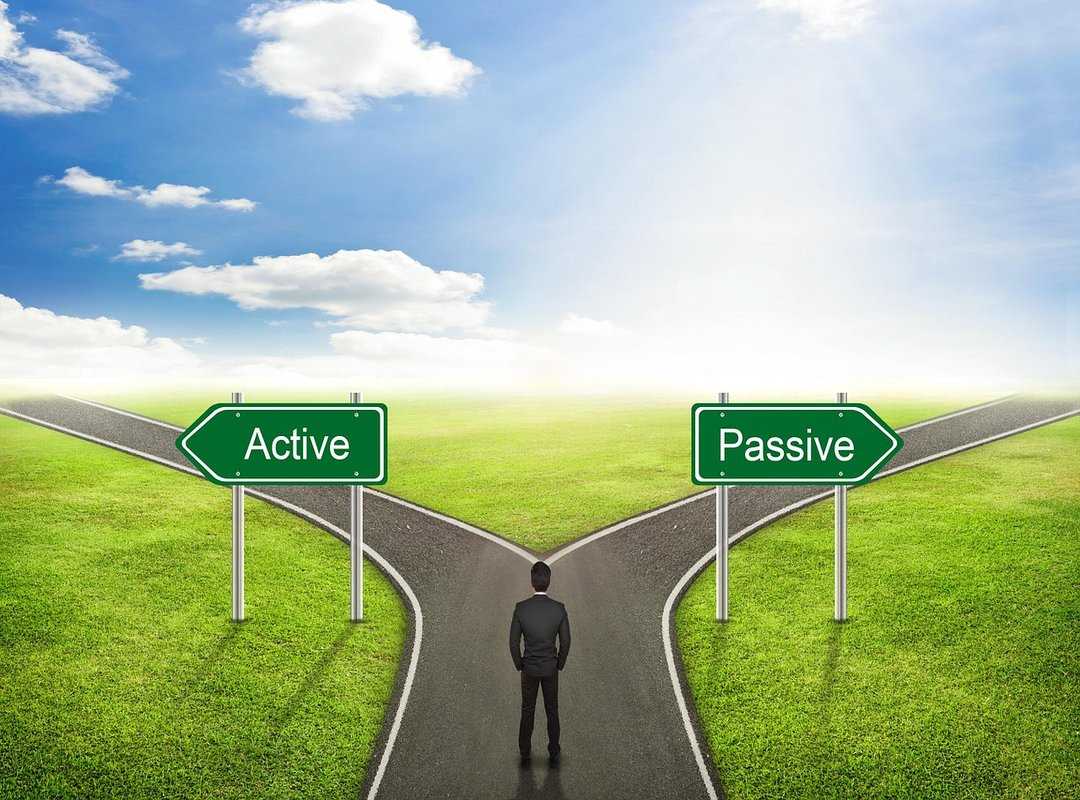
Recovery isn’t just sleep. It’s what you do while you’re awake and resting.
I treat it like strength training for my nervous system. Because it is.
Muscles rebuild during rest (but) only if your nervous system isn’t stuck in overdrive. That’s why active rest matters more than extra hours in bed.
You think you’re recovering? Check your irritability level. Your progress curve.
Your resting heart rate first thing in the morning. All three tell the truth.
Stalled lifts? Snappy replies to coworkers? Waking up with a pulse over 72?
That’s under-recovery screaming at you.
Try this: five minutes of diaphragmatic breathing. Sit tall. Breathe in slow through your nose.
Let your belly push your hand out. Hold two seconds. Exhale longer.
Six seconds. Through pursed lips. Do it before lunch.
Or after your workout. Not both. Just once.
Foam roll quads, calves, glutes. Two minutes per area. Light pressure first.
Then add weight slowly. Stop if you hold your breath.
Tuesday and Wednesday: light walk + that breathwork. Friday: full rest or gentle yoga.
No exceptions.
This isn’t fluff. It’s how I stayed consistent through two knee surgeries and still hit PRs.
The Shmghealth Fitness Hacks From Springhillmedgroup guide nails this rhythm. But skip the jargon and go straight to the Tuesday/Friday split.
You’ll feel the difference in 48 hours. Or you won’t. Try it and see.
Track Progress Beyond the Scale: Real Wins That Stick
I stopped weighing myself daily two years ago.
And I felt lighter immediately (mentally,) not physically.
Here’s what I track instead:
Stair climbing ease
Sleep duration
Afternoon fatigue
Mood stability
Joint stiffness
These aren’t fluff metrics. They’re real-life signals your body sends when things are actually shifting.
I use a simple 2-week printable tracker. One checkbox per day. Three lines for notes. “Took stairs without stopping.” “Slept 7 hours straight.” “Didn’t reach for sugar at 3 p.m.”
Why does this work better than the scale? Because behavioral psychology shows mastery experiences build self-efficacy faster than abstract numbers. You feel the win.
You see it happen. You trust yourself more.
But don’t log everything. Pick two or three max. Review once a week (not) daily.
Over-tracking kills momentum (ask me how I know).
The scale lies. Your energy doesn’t. Your sleep doesn’t.
Your knees don’t.
You want more of these kinds of fitness hacks? Check out Shmghealth. Shmghealth Fitness Hacks From Springhillmedgroup helped me ditch the obsession (and) keep the results.
You Already Know How to Start
I’ve been there. You show up strong. Then week two hits (and) suddenly you’re Googling “why does motivation quit so fast?”
It’s not you. It’s the plan. Most fitness stuff ignores your actual life.
We covered what actually sticks:
- Checking in with your body first (readiness assessment)
- Moving in ways that fit (not) force
- Eating to feel steady (not) restricted
- Resting like it matters (because it does)
That’s the core of Shmghealth Fitness Hacks From Springhillmedgroup.
No more guessing. No more starting over.
Pick one thing from section 1 or 2. Just one. Do it for three days.
Notice how it feels (no) notes, no tracking.
What’s the smallest thing you’ll try tomorrow?
Fitness isn’t about becoming someone new (it’s) about honoring who you are, right now, and moving forward with kindness and clarity.