You clicked a payment link and saw https://xpwell.webpay.md in the URL bar.
Now you’re wondering if it’s safe or if you’re about to hand your credit card to scammers.
I see this question all the time. Someone tries to buy a supplement or health product online and gets redirected to an unfamiliar payment page. The uncertainty stops them cold.
Here’s what this guide does: it shows you how to verify if a WebPay service URL is legitimate before you enter any payment information.
I’ll walk you through the exact checks security-conscious shoppers use every day. The same ones I use when I’m buying anything online.
This isn’t guesswork. These verification steps come straight from cybersecurity best practices that protect your financial information.
You’re here because you saw that WebPay message and your gut told you to check first. Good instinct.
By the time you finish reading, you’ll know exactly how to spot a secure payment gateway and what red flags mean you should close that browser tab immediately.
No technical jargon. Just a clear checklist you can use right now.
The Role of a Payment Gateway
You’ve probably seen that redirect before.
You’re checking out on a website and suddenly you’re on a different page. Maybe it says WebPay or Stripe or something similar. Then after you enter your card info, you’re back to the original site.
That’s a payment gateway doing its job.
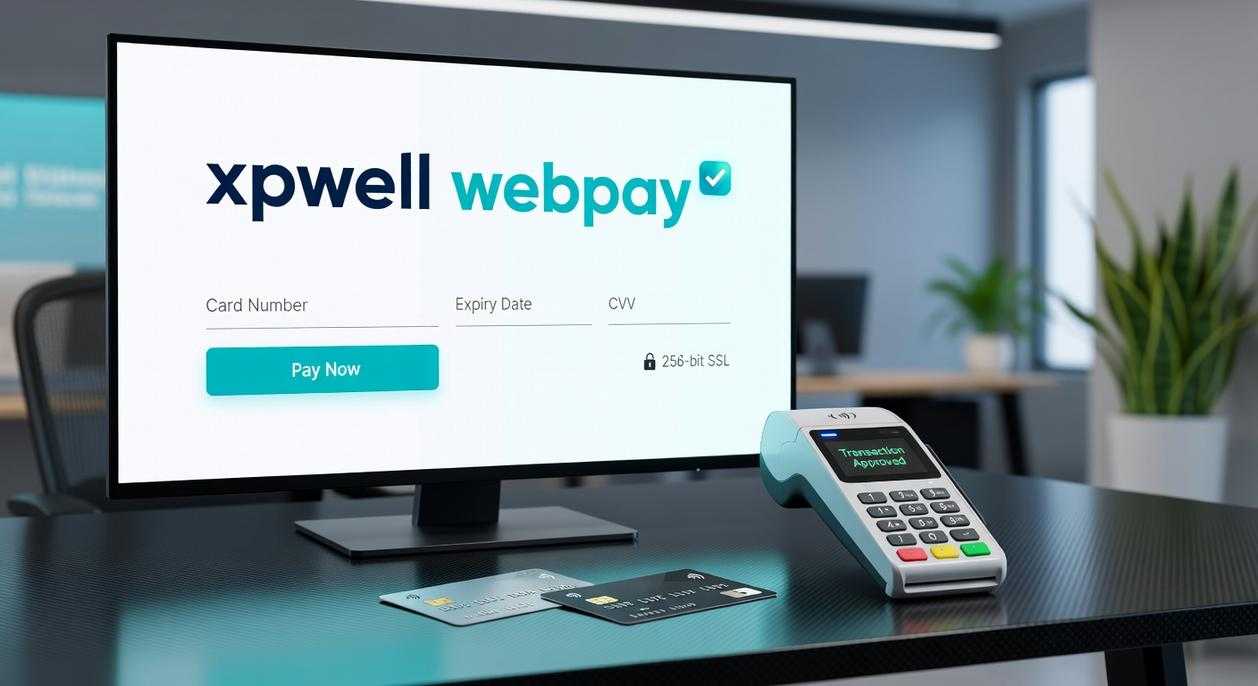
WebPay is one of these services. It sits between you and the business you’re buying from. When you make a purchase, the gateway handles all your sensitive payment information.
Here’s what matters to you as a customer.
The website you’re shopping on never sees your full credit card number. Not when you type it in. Not after the transaction. Never.
This is huge for security. If that merchant’s website gets hacked next month (and breaches happen all the time), your card details aren’t sitting in their database waiting to be stolen.
For businesses, payment gateways solve a different problem.
Building secure payment processing from scratch is expensive and complicated. You need to follow strict financial regulations like PCI DSS. Most small businesses can’t afford that kind of infrastructure.
A gateway like https //xpwell.webpay.md handles all of it. The business gets to accept payments securely without building the whole system themselves.
Think of it like the card reader at a physical store. When you tap your card, the register knows the payment went through. But it doesn’t store your card number. Same concept, just online.
The gateway processes everything securely, then tells the merchant whether to approve or decline the transaction.
That’s why you see these services everywhere now. They protect both sides of the transaction without either party needing to become a payments expert.
(And honestly, after seeing how often top BCAA supplements for athletes enhance muscle recovery sites and other e-commerce platforms get targeted by hackers, I’m glad this technology exists.)
The Ultimate 5-Point Checklist for a Secure Payment Page
You’re about to enter your credit card details online.
But something feels off.
Maybe the page looks slightly different than you expected. Or the URL seems weird. You pause for a second and wonder if you should actually go through with it.
That gut feeling? Listen to it.
I’m going to walk you through five things I check every single time before I enter payment information. These aren’t foolproof (nothing really is), but they’ll help you spot most scams before you hand over your card details.
1. Look for the Padlock and ‘HTTPS’
This is non-negotiable.
Every legitimate payment page uses HTTPS. That’s HyperText Transfer Protocol Secure. It means the connection between your browser and the website is encrypted.
Look at your browser’s address bar. You should see a small padlock icon and the URL should start with ‘https://’. Not ‘http://’. The ‘s’ matters.
If you don’t see both of these things, close the page immediately.
2. Scrutinize the Website Domain Name
Here’s where people get tricked most often.
A legitimate URL might look like ‘secure.webpay.com’ or ‘webpay.processing-service.com’. The core domain name is what you need to focus on.
Scammers love to use deceptive subdomains or slight misspellings. They’ll create something like ‘webpay.secure-checkout.biz’ or ‘web-pay-service.com’ and hope you don’t notice.
Read the URL slowly. Character by character if you need to.
I’ve seen payment pages that looked perfect except for one letter in the domain name. That’s all it takes.
3. Check for Trust Seals and Professional Design
Look for trust badges like PCI DSS compliance, Norton Secured, or Better Business Bureau logos.
Now here’s the honest truth. These can be faked. Scammers just copy and paste the images onto their fake pages. But their absence is still a red flag.
Also pay attention to the overall design. Legitimate payment pages are professionally built. If you see typos, broken images, or a layout that looks like it was thrown together in ten minutes, that’s a problem.
(Though I’ll admit, I’ve seen some legitimate small business pages that looked pretty rough. It’s not always black and white.)
4. Does the Transaction Information Look Correct?
A real payment page will show you the merchant’s name and the exact amount you’re about to pay.
If this information is missing, that’s a huge warning sign. If it’s there but the amount is wrong or the merchant name doesn’t match what you expected, stop.
For example, if you’re buying supplements and the payment page shows a completely different company name, something’s wrong. You might be looking at https://xpwell.webpay.md or another processor, which is fine, but the merchant details should still be clear.
5. Avoid Unsolicited Payment Links
This is the golden rule.
Never enter payment information on a page you reached by clicking a link in an unexpected email, text message, or pop-up ad.
I don’t care how urgent it sounds. I don’t care if they say your account will be suspended or you’ll miss out on a deal.
Always go to the official website yourself. Type the URL directly into your browser or use a bookmark you created.
If you’re buying 10 best post workout foods to boost recovery supplements or anything else, start from the merchant’s official site and navigate to checkout from there.
Look, I wish I could tell you these five checks will catch every scam out there. But the truth is, scammers keep getting better at what they do. New tricks pop up all the time.
What I can tell you is this. These checks will catch most of the common scams. And they only take a few seconds.
Your credit card information is worth protecting.
Phishing Emails and Fake Invoices
You open your email and see a payment request.
It looks real. The logo is right. The formatting matches what you’ve seen before.
But here’s what scammers count on. You’re busy. You click the link without thinking twice.
I’ve seen this play out hundreds of times. Someone gets an invoice that looks like it came from their gym, their meal prep service, or even their supplement subscription. They click through to pay and land on a page that looks identical to the real thing.
The difference? That payment form is sending your credit card details straight to a scammer.
Here’s what makes these emails so dangerous. They copy everything. The company colors, the font, even the customer service number at the bottom (which goes nowhere useful).
Some people say you should just delete any payment email you get. That’s one approach. But it’s not realistic when you actually have bills to pay.
What works better is this. When you get a payment request, don’t click the link in the email. Open your browser and go directly to the company’s website. Log into your account there and check if the charge is real.
Takes an extra 30 seconds. Could save you thousands.
URL Redirection and Spoofing
This one’s sneaky.
You click a link and for a split second, you see a URL that looks right. Maybe it says https //xpwell.webpay.md or whatever payment processor you recognize.
Then it redirects. Fast enough that you barely notice.
You end up on a page that looks legitimate but the URL is completely different. Maybe it’s off by one letter. Or it uses a different domain extension.
The scam works because of how we process information. Your brain registered that first URL as safe. You saw what you expected to see. So you don’t double check the final destination.
I tested this myself (on purpose, in a controlled way). I clicked through several suspicious links while watching the address bar. The speed of these redirects is impressive. Blink and you miss it.
What You Need to Check
Before entering any payment information, look at the URL in your address bar. Not the link you clicked. The actual page you’re on right now.
Does it match the company’s real website? Character for character?
If you’re not sure, here’s what I do:
- Copy the URL from the address bar
- Paste it into a text document
- Compare it letter by letter to the real company website
Sounds paranoid. But it takes 10 seconds and it works.
Pressure Tactics and False Urgency
“Your account will be closed in 24 hours!”
“Pay now or lose access forever!”
“This offer expires in 60 seconds!”
When you see language like this on a payment page, stop.
Real companies don’t operate this way. Your supplement subscription isn’t going to vanish if you don’t pay in the next minute. Your meal plan service will send you a normal reminder, not a countdown timer that looks like a bomb defusal scene.
Scammers use urgency because it shuts down your critical thinking. When you feel panicked, you act fast. You don’t check URLs. You don’t verify the sender. You just want to fix the problem.
I get it. Nobody wants their account suspended or their order cancelled.
But think about it. Have you ever had a legitimate company threaten you with immediate account closure over a payment that’s due today? Probably not. Most give you grace periods, send multiple reminders, and have actual customer service you can contact.
If something feels off, close the browser tab. Open a new one. Go directly to the merchant’s website by typing the URL yourself. Try the checkout process again from scratch.
If the same urgent message appears when you navigate there directly, it might be real (though still aggressive). If it doesn’t show up, you just dodged a scam.
Pro tip: Real payment processors don’t care about your emotional state. They present information clearly and give you time to review. If a payment page is trying to make you feel something, that’s a red flag.
Transact with Confidence
You came here wondering if a WebPay URL was safe to use.
Now you have a checklist that works for any online payment. Not just this one.
The fear is real. Your financial data could end up in the wrong hands if you’re not careful.
But you can manage that risk with what you know now.
The 5-point checklist gives you a defense that actually works. Check for HTTPS. Verify the domain. Look for trust signals. Confirm transaction details. Avoid unsolicited links.
These steps take 30 seconds but they protect you from fraud.
Make this a habit. Before you enter your card number anywhere online, run through the checklist.
When you see https //xpwell.webpay.md or any payment URL, you’ll know exactly what to look for. You’ll spot the red flags before they become problems.
This simple routine is how you keep your online shopping safe. Every single time.