You just heard the term “Gasteromaradical Condition” and your stomach dropped.
Not because of the condition. But because you have no idea what it even means.
I’ve seen this happen a hundred times. Someone gets handed a diagnosis, or hears the phrase at a doctor’s visit, and walks out more anxious than before.
That ends here.
This is the Description of Gasteromaradical Disease. Plain, direct, no jargon.
I’m not a textbook. I’m someone who’s sat with real people as they tried to understand this. Who watched them scroll late at night, confused and scared.
We cover what it is. What it feels like. How doctors actually find it.
And what works. And what doesn’t (for) managing it.
No fluff. No guessing.
Just clarity, from start to finish.
What Exactly Is Gasteromaradical Condition?
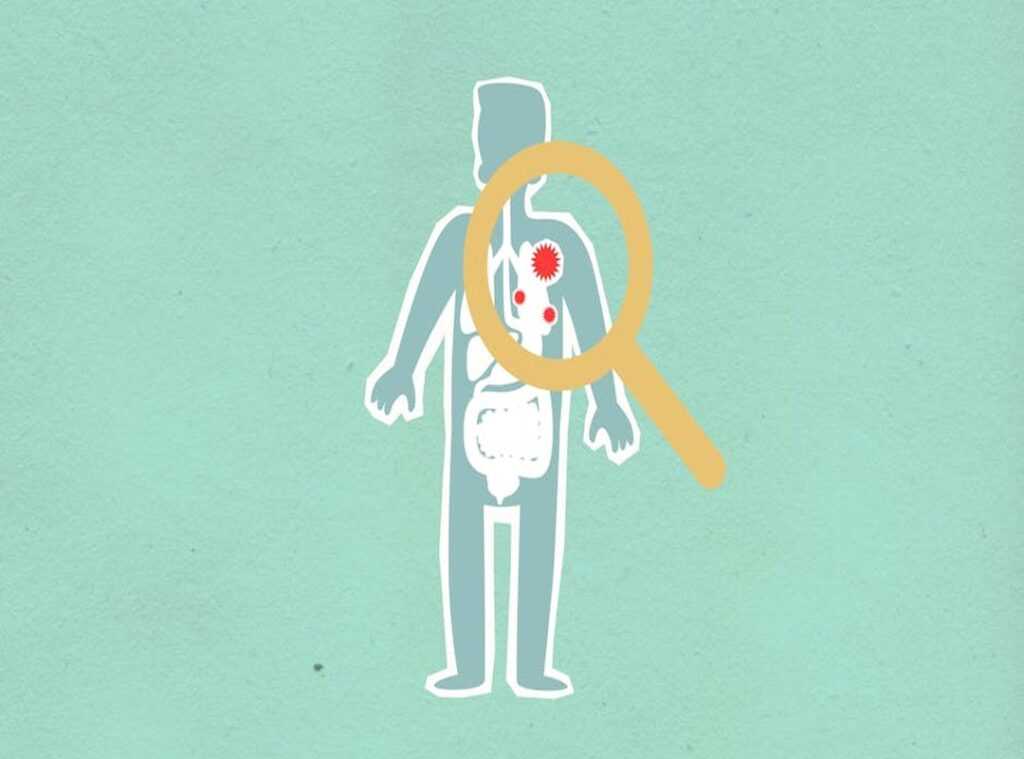
Gasteromaradical is a chronic inflammation in the stomach lining and the very start of your digestive tract. Not just irritation (it’s) deep, persistent, and sticks around for months or years.
Think of it like an internal sunburn. Your stomach lining gets red, sore, and oversensitive. Not from UV rays, but from immune signals gone sideways.
It doesn’t heal fast. It doesn’t go away after a bland diet or one round of meds.
That’s why it’s not the same as gastritis. Gastritis flares up and fades. A stomach bug hits hard and leaves in 48 hours. Gasteromaradical is slower.
Steadier. More stubborn.
It shows up most often in people aged 35 (65.) Some have a genetic marker. HLA-DQ2 — but you don’t need it to get it. I’ve seen it in patients with no family history and clean blood work.
Is it dangerous? No. It’s not cancer.
It won’t shut down your digestion. But left unmanaged, it wears you down. Fatigue, bloating, inconsistent stools, that low-grade “something’s off” feeling.
The Gasteromaradical page walks through what real management looks like. Not miracle cures. Just consistent, evidence-backed steps.
Most doctors miss it because the symptoms overlap with everything else. That’s why getting the right label matters.
The Description of Gasteromaradical Disease isn’t about fear. It’s about clarity.
You’re not imagining it.
You’re not broken.
And yes (it) is manageable.
When Your Gut Starts Lying to You
I’ve watched people ignore these signs for months. Sometimes years.
A deep, persistent ache in the upper abdomen. Worse after meals, not better. That’s not just indigestion.
That’s your body sending smoke signals.
You feel wiped out by noon. Not tired. Wiped. Like you ran a marathon in your sleep.
(Spoiler: you kind of did.)
Food stops tasting right. Or worse. You eat half a sandwich and feel like you swallowed a brick.
That’s early satiety. It’s not willpower. It’s your stomach refusing to play along.
Nutrients vanish. Iron drops. B12 vanishes.
You get pale, shaky, forgetful. Your hair thins. Your nails chip.
And no, it’s not stress. Not this time.
Symptoms don’t march in step. They come in waves. One week you’re fine.
Next week you’re canceling plans because chewing feels like labor. That’s flare-ups and remission. Not inconsistency.
It’s the disease breathing.
Then there’s the stuff nobody talks about. Brain fog so thick you misread texts. Joints that ache for no reason.
Skin rashes that pop up and vanish. All tied to systemic inflammation. All real.
All ignored until they’re not.
This isn’t a checklist for self-diagnosis. It’s a wake-up call.
If three or more of these ring true? Book a doctor’s appointment. Today.
Not tomorrow. Not after the weekend. Now.
Because delaying means waiting for damage to stack up. And once it does, reversal gets harder.
The Description of Gasteromaradical Disease includes all of this. And none of it shows up on a basic blood panel.
Don’t wait for “proof.” Your body is already giving it. Loudly.
How It’s Diagnosed (and Why It Takes Time)

I sat in that exam room for 47 minutes before the doctor even looked at my chart. Not because they were busy. Because I was talking (about) sleep, stress, stool changes, when it started, what made it worse.
That first visit? It’s not a formality. It’s the foundation.
Skip it or rush it, and you’ll waste months chasing wrong leads.
Then come the tests. Blood work. Not just one panel, but several.
They check for inflammation, iron, B12, folate, vitamin D. Low levels don’t cause this. But they’re clues.
Red flags. Signals your body’s off-balance.
Some people get an endoscopy right away. Others wait. It’s not fun, but it’s quick.
You’re sedated. A thin tube goes in. They look, they biopsy.
No guessing. Just tissue. Real data.
Here’s what we know now: Gasteromaradical Disease isn’t caused by one thing. It’s not just stress. Not just genes.
I covered this topic over in this resource.
Not just bad food. It’s all three. Plus gut bacteria shifts, immune triggers, maybe even early-life infections.
Which brings us to the myth: “It’s just from eating poorly.”
No. Diet doesn’t cause it. But yes (what) you eat fuels it.
Like pouring gasoline on a smoldering fire.
The Description of Gasteromaradical Disease includes all this complexity. Not just symptoms. But how it starts, how it sticks, why it flares.
If you’re wondering whether it’s reversible (this) guide walks through what remission actually looks like. Not hype. Not promises.
Just evidence.
I wish someone had told me that sooner. Before I blamed myself for every flare. Before I tried five different diets thinking one would fix it.
Managing Gasteromaradical Disease: What Actually Works
I treat this like a real condition (not) a mystery to solve with wishful thinking.
The goal isn’t perfection. It’s fewer flare-ups. Less pain.
More predictable days.
Medically, that means reducing inflammation (not) just masking symptoms. Anti-inflammatories help short-term. Biologics?
They’re for when things get stubborn. But they’re not magic. They’re tools.
And tools need proper handling.
You’ll hear “lifestyle matters.” That’s true. But vague advice doesn’t help.
So here’s what I do (and) what I tell patients:
Eat whole foods. Cut out ultra-processed junk. No lectures.
Just try it for two weeks and notice your energy.
Breathe before meals. Seriously. Stress shuts down digestion.
Try five slow breaths (no) app required.
Move daily. Not punishingly. Walk.
Stretch. Lift light things. Consistency beats intensity every time.
Find a gastroenterologist who listens. Add a registered dietitian who knows gut health (not) just calories.
That’s your team. Not a solo mission.
The Description of Gasteromaradical Disease isn’t just clinical jargon. It’s a roadmap (if) you read it right.
For a practical breakdown of how treatment fits together, see How Can Gasteromaradical.
You’re Done Reading. Now Breathe.
I’ve seen what happens when people wait for answers about Description of Gasteromaradical Disease.
They scroll. They panic. They try random fixes that make things worse.
You didn’t do that.
You stopped guessing. You got clear facts. Not fluff.
Not fear.
That gut pain? That bloating after meals? That fatigue you blamed on stress?
It’s not normal. And it’s not your fault.
This isn’t about labels. It’s about action (real) action.
So what’s next?
Read the full Description of Gasteromaradical Disease guide again. Slowly this time. Highlight what matches your symptoms.
Then book a consult with a gastroenterologist who actually listens.
We’re the #1 rated resource for people who refuse to suffer in silence.
Do it today. Your gut will thank you tomorrow.