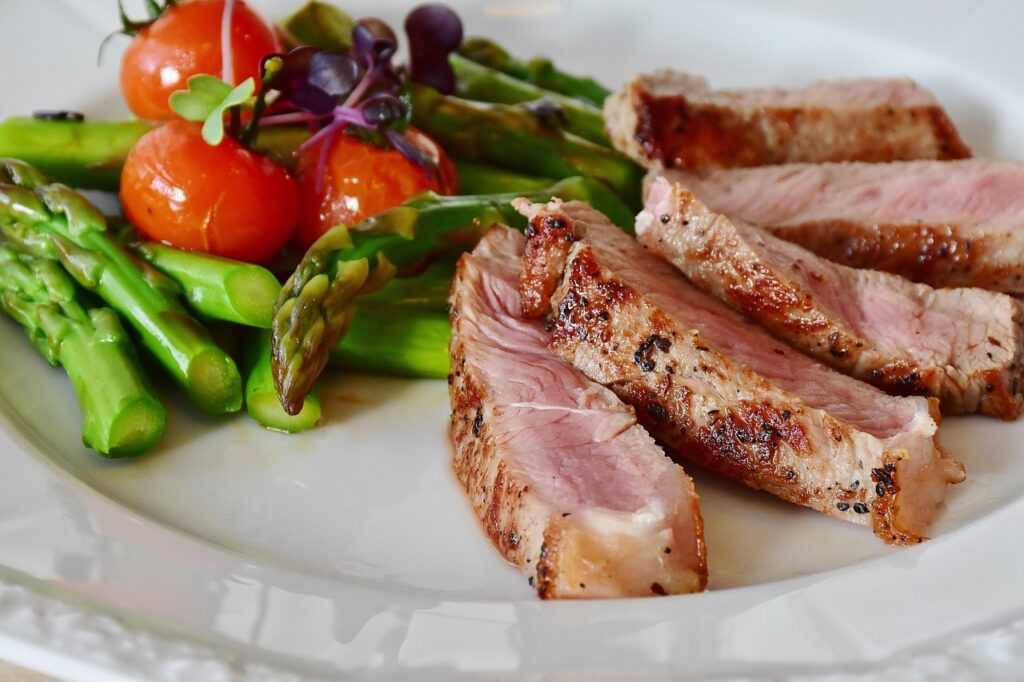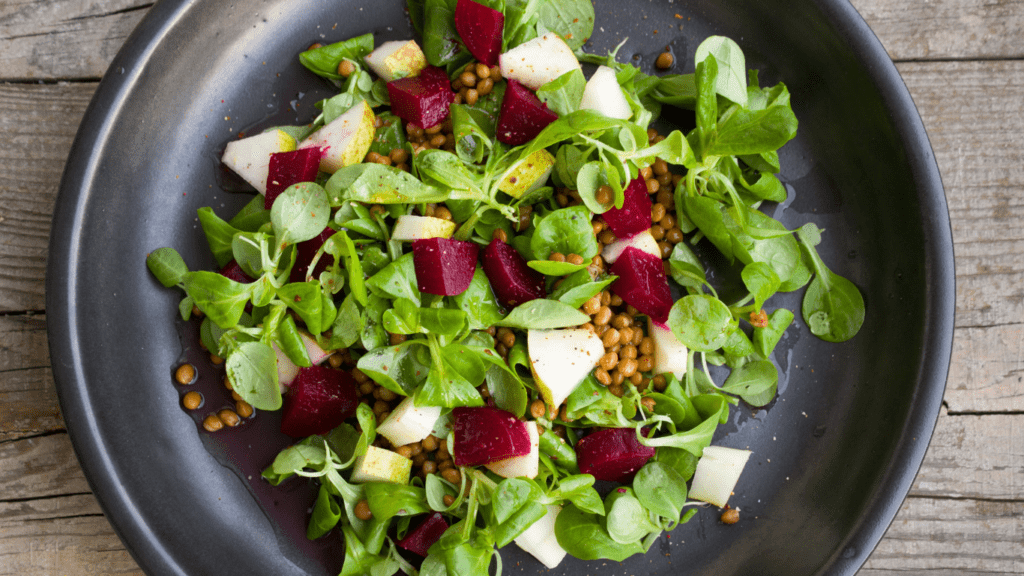
Why Anti Inflammatory Eating Works
Chronic inflammation is the kind that doesn’t go away. Unlike the swelling you get after a sprain or cut your body’s way of healing that lingering inflammation works quietly and slowly eats away at your health. It’s been linked to heart disease, diabetes, joint issues, and even cognitive decline. Triggers include processed foods, chronic stress, lack of sleep, and a sedentary lifestyle.
Here’s the good news: your diet can be a powerful tool to turn things around. When you eat the right foods, your body shifts gears from overreacting to restoring. Certain ingredients naturally reduce inflammation markers and support your immune system, organs, and overall function.
Start with the heavy hitters. Berries are rich in antioxidants. Leafy greens like spinach and kale are loaded with vitamins and plant compounds. Fatty fish especially salmon and sardines bring omega 3s, which are inflammation fighters. Then there’s turmeric and ginger. Both have bioactive compounds that get right into the bloodstream and help calm things down from within.
No hype here food really can be medicine, assuming you choose it on purpose and stay consistent.
Core Ingredients That Do Heavy Lifting

Let’s get straight to the point certain ingredients do more than just taste good. They drive actual change in your body, especially when it comes to calming inflammation.
First up: Omega 3s. These fatty acids help counteract inflammation at a cellular level. They’re mainly found in fatty fish like salmon, sardines, and mackerel. For plant based options, think chia seeds, flaxseeds, and walnuts. The research is solid: Omega 3s help regulate cytokines, the molecules that can trigger chronic inflammation when out of balance.
Then there are the antioxidant heroes: herbs and spices. Turmeric (thanks to curcumin), ginger, cinnamon, garlic, and rosemary all come packed with compounds that fight oxidative stress. These spices don’t just add flavor they actively support your immune system and reduce pro inflammatory signals.
Finally, fiber rich plants are the unsung backbone of any anti inflammatory game plan. Think beans, legumes, oats, whole grains, leafy greens, and veggies like broccoli or Brussels sprouts. Fiber feeds your gut’s good bacteria, which in turn helps lower systemic inflammation. It’s all connected.
Good food fuels healing. Simple as that.
(For a deeper dive, check out our guide to nutrition for immunity)
Sweet Potato & Kale Hash
This hash hits all the right notes quick and hearty, but still clean and purposeful. Roasted sweet potato brings that slow carb warmth, while curly kale tosses in fiber and a big dose of vitamin C. Red onion and garlic add savory depth. Chili flakes give it just enough kick to wake you up.
Cook it all down in olive oil until tender and caramelized. What you’re left with is a skillet full of anti inflammatory fuel that doesn’t pretend to be more than it is: simple, solid, and satisfying.
Want extra staying power? Toss on a poached egg or tempeh. Either way, this one’s built to power your morning or reset your afternoon.
Eating Beyond Recipes
Healthy eating isn’t just about what you add it’s also about what you reduce. To maintain momentum with an anti inflammatory lifestyle, it’s important to look beyond individual meals and focus on broader habits that support the body’s healing systems.
Cut Back on Processed Oils and Added Sugars
Many chronic inflammation triggers hide in everyday ingredients.
Processed oils like corn, soybean, and canola are often high in omega 6 fatty acids, which may promote inflammation when consumed in excess.
Added sugars, particularly in snacks and drinks, contribute to insulin spikes and long term inflammation markers.
Use cold pressed olive oil, avocado oil, or flaxseed oil as inflammation conscious alternatives.
Eat the Rainbow: Nutrients Are Color Coded
Planning your meals by color helps ensure a full spectrum of antioxidants and phytonutrients. Each hue brings unique anti inflammatory properties:
Reds (tomatoes, red bell peppers): rich in lycopene
Oranges and yellows (sweet potatoes, turmeric): packed with beta carotene and curcumin
Greens (spinach, kale): loaded with magnesium and vitamin K
Blues and purples (blueberries, eggplant): high in anthocyanins
The more color on your plate, the broader the protection for your cells and immune system.
Stay Consistent for Lasting Impact
With anti inflammatory eating, benefits compound over time. It’s not about a perfect day it’s about sustained habits.
Keep basics on hand: leafy greens, legumes, anti inflammatory herbs and spices
Rotate meals to prevent boredom without losing nutritional value
Allow space for flexibility without falling off track
Connect Diet and Immunity
A well balanced, anti inflammatory diet goes hand in hand with stronger immune resilience. When your digestive and immune systems are supported simultaneously, the body becomes more efficient at reducing and responding to inflammation.
For a deeper exploration of how nutrition supports immune health, check out our full guide on nutrition for immunity.
Make It a Lifestyle
Eating anti inflammatory doesn’t need to be complicated. Start with batch cooking. Make a big batch of lentils, brown rice, and roasted vegetables once or twice a week. Keep them in the fridge so you’re always five minutes from a nourishing meal. It’s fast fuel, and your future self will thank you.
Next, stock your kitchen with go to anti inflammatory flavor boosters: fresh herbs, lemons, limes, and garlic. They add brightness without the baggage that comes from heavy sauces or processed additives. Need more punch? Vinegars and spice blends work too just check the labels.
Most important: stay tuned in to your own body. Some folks thrive on nightshades. Others don’t. Gluten? Dairy? It depends. The goal isn’t to follow a perfect plan. It’s to notice what energizes you, what clears your head, and what knocks you off your game. Adjust as you go. Your body’s feedback is the most reliable data you’ve got.