You’ve felt it. That bloating after lunch. The weird cramp that comes out of nowhere.
Or worse. The total uncertainty. Is this normal?
Or is something actually wrong?
I’m tired of how hard it is to find plain answers about digestive health.
Especially when you search for something like Gasteromaradical Disease and get buried under jargon, contradictions, or vague warnings.
This isn’t a medical diagnosis guide. It’s a clarity tool.
I’ve sat with dozens of patients who left their doctor’s office more confused than when they walked in.
They needed simple language. Not Latin. Not fear.
So here’s what you’ll get: one clear definition. No fluff. No guessing.
Just enough understanding to ask better questions at your next appointment.
Your Gut Is a Tube (And) It Can Go Wrong
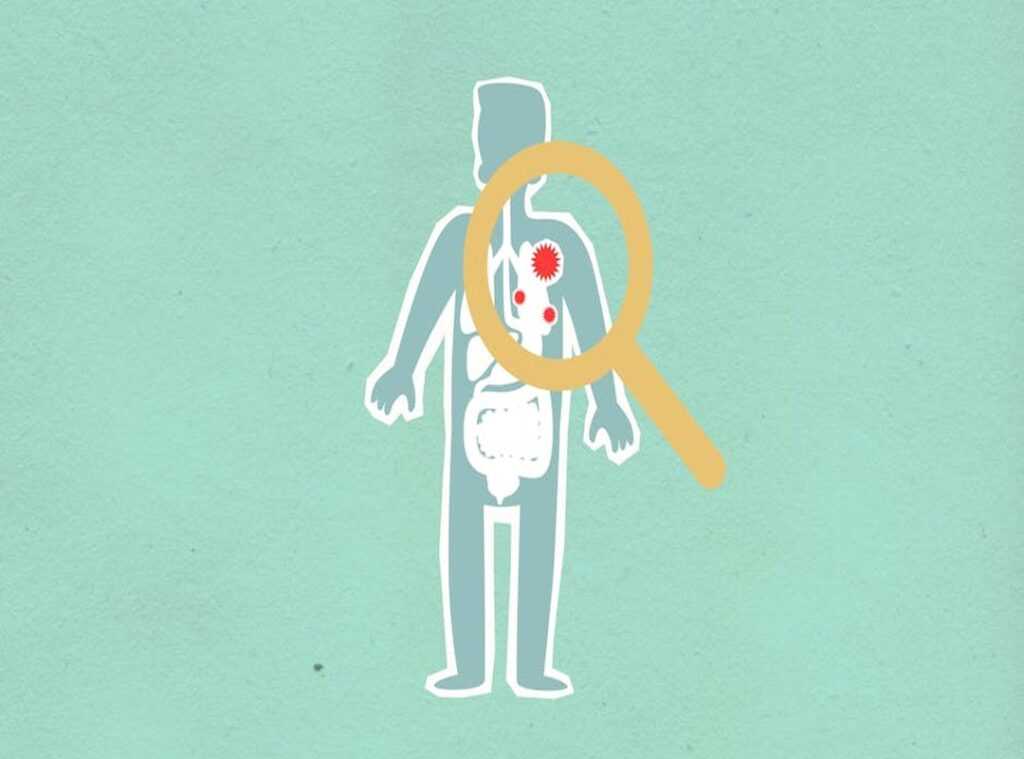
I picture the GI tract as a food-processing conveyor belt. It starts at your mouth and ends at your rectum. Everything in between is just one long, twisty tube.
A gastrointestinal condition is any problem that messes with that tube. From acid reflux to constipation to Crohn’s. It all counts.
Some conditions show up on scans. Others don’t. That’s the split: structural vs. functional.
Structural means something’s physically off (a) stricture, a polyp, inflammation you can see. Functional means the tube looks fine but acts weird. Like IBS.
Your gut’s wired wrong, not broken.
You’ve felt this. Bloating after lunch. Nausea for no reason.
That 3 p.m. bathroom sprint. It’s not “just stress.” It’s your GI system sending signals. And we ignore them at our own risk.
this guide is one of those rare cases where the name sounds extreme but the reality is real. It’s not a made-up term. It’s a documented pattern.
Not just symptoms, but a cascade.
Most doctors stop at “it’s IBS.” They don’t dig deeper. I think that’s lazy.
If your gut’s been off for months, ask for tests. Not guesses.
Gasteromaradical Disease is serious. But it’s also treatable. If you start in the right place.
Don’t wait for pain to get worse. Start now.
Your Gut Is Screaming. Are You Listening?
I’ve sat across from too many people who waited months to mention their gut pain.
They thought it was “just stress” or “bad takeout.”
It’s not.
Irritable Bowel Syndrome (IBS) is a functional disorder. That means your gut looks fine on scans. But it doesn’t work right.
Cramping. Bloating. Gas that comes out of nowhere.
Diarrhea one day, constipation the next. Or both in the same morning.
You know that feeling when your stomach gurgles like a swamp monster before a meeting? Yeah. That’s IBS.
It’s real. It’s exhausting. And it’s not “all in your head.”
—
Gastroesophageal Reflux Disease (GERD) isn’t just heartburn after chili night.
It’s acid backing up into your esophagus (chronically.) Not once. Not twice. Every week for months.
Heartburn you can’t ignore. Sour regurgitation while lying down. Chest pain that makes you Google “heart attack symptoms” at 2 a.m.
Difficulty swallowing? That’s your body saying: Something’s wrong with the valve.
Don’t chalk it up to coffee or wine. It’s not about what you drank. It’s about what your anatomy is doing (or) failing to do.
—
Inflammatory Bowel Disease (IBD) is not the same as IBS. Not even close.
IBD means your immune system is attacking your gut. Crohn’s disease. Ulcerative colitis.
Both are lifelong. Both cause real tissue damage.
Persistent diarrhea. Abdominal pain that wakes you up. Rectal bleeding you try to hide from your partner.
Weight loss without trying. Fatigue so deep it feels like wading through wet cement.
This isn’t “a flare-up.” It’s inflammation. It’s measurable. It’s serious.
And no (I) won’t call it this guide Disease. That term doesn’t exist in medicine. Don’t let anyone sell you fear under a fake label.
—
Here’s the hard truth: these symptoms overlap like bad Wi-Fi signals.
Bloating happens in IBS, GERD, and IBD. Fatigue shows up everywhere. Pain migrates.
You start second-guessing yourself.
That’s why self-diagnosis fails every time.
You need labs. Scopes. A doctor who listens (not) one who hands you a fiber packet and walks out.
Go get evaluated. Not next month. Not after vacation.
Now.
Why Your Gut’s Acting Up (And Why It’s Rarely Just One Thing)

I’ve had bloating that lasted three days. I’ve stared at toast like it betrayed me. You know that feeling too.
Digestive issues don’t come with instruction manuals. There’s rarely a single villain. It’s more like five people arguing in a tiny kitchen (and) all of them are you.
Diet matters. A lot. Processed foods, low fiber, skipping meals (they) pile up like unread emails.
Your gut doesn’t forget. It just waits.
Stress? It’s not “in your head.”
It’s in your colon. The gut-brain axis is real (not) woo-woo, not metaphorical.
When you’re anxious, your gut slows down or speeds up. No debate. No opt-out.
Genetics play a role. Celiac disease runs in families. IBD often shows up when someone else in your bloodline already has it.
That doesn’t mean you’re doomed (but) it means you should pay attention earlier.
Then there’s the microbiome. That’s the trillion-bug space living inside you right now. Some help digest food.
Some train your immune system. Some just… hang out. Too many of the wrong ones?
Too few of the right ones? That’s when things get loud.
Gasteromaradical Disease isn’t a diagnosis doctors use. It’s a placeholder term (one) I saw pop up in a 2022 NIH workshop summary on overlapping GI symptom clusters. Not official.
Not in textbooks. But useful if you’re trying to explain why nothing fits neatly.
If you’re stuck in the loop of tests, diets, and dead ends, this guide might help untangle what’s actually going on. It’s not magic. It’s just clearer framing.
Exercise helps. Even walking 20 minutes a day changes motility. I tested this myself.
No fancy gear, just shoes and stubbornness.
Skip the probiotic ads. Start with fiber from real food. Then ask: What changed before the symptoms started?
That detail usually holds the answer.
You’re not broken.
You’re just under-informed.
Red Flags: When Your Body Is Screaming for Help
I’ve seen too many people wait until it’s urgent.
Unexplained weight loss? That’s not “just stress.”
Blood in your stool? Not normal.
Ever. Severe or worsening abdominal pain? Don’t Google it (call) a doctor.
Persistent vomiting? Your body is rejecting something (or) someone. Difficulty swallowing?
That’s not heartburn. That’s a warning.
These aren’t just symptoms. They’re red flags.
You don’t need to diagnose yourself. You do need to act.
I’m not saying panic. I’m saying. Pay attention.
Track what’s new, what’s changed, what won’t go away.
Some of these signs tie directly to serious conditions. Including the Risk of Gasteromaradical Disease (learn more here).
If you’re ignoring one of these, stop.
Now.
Your Gut Isn’t Guessing. You Don’t Have To.
I’ve been where you are. Waking up unsure if today’s the day your stomach turns on you.
That bloating. The cramps that hit out of nowhere. The fatigue no amount of coffee fixes.
You’re tired of Googling symptoms at 2 a.m.
Gasteromaradical Disease isn’t something you diagnose yourself. It’s not a label to slap on after three Reddit posts.
It’s real. It’s treatable. But only if you name it right.
And naming it starts with a real conversation (not) with an app, not with a supplement ad, but with a doctor who listens.
You already know what’s wrong feels bigger than “just stress.”
So call your doctor. Today. Not next week.
Not after you “try one more thing.”
Say: “I need answers about my digestive health.”
They hear that all the time. And they’ll help.
Your gut deserves clarity. Not confusion.